Octality Water Quality

Eight Principles of Pure Water Excellence

Hardness removal techniques in municipal water treatment

In the realm of municipal water treatment, the removal of hardness presents a unique challenge. Hard water, which contains high concentrations of calcium and magnesium, can lead to various issues such as scaling in pipes, appliances, and industrial equipment. It’s also unfriendly to soap, making daily chores like washing dishes or doing laundry an uphill battle. Let’s get into the nitty-gritty of hardness and discuss thorough methods to de-hardening water.

Understanding Hardness in Water

Water hardness derives mainly from two minerals – calcium and magnesium. Just to give you an idea, according to a research study by the U.S. Geological Survey, water containing over 121 milligrams per liter of these minerals is considered hard. It’s important to dwell on the fact that while these minerals are not harmful to health, they impede the proper function of soaps and detergents. This interference could undermine the pursuit of cleanliness in households and industries.

Chemical Precipitation: A Trusted Method

Particularly prevalent in municipal water treatment plants is the chemical precipitation technique. It comprises spreading lime (calcium hydroxide) and soda ash (sodium carbonate) in water to convert hard minerals into sediment, which is ultimately filtered out. This method is cost-effective and can remove 90% to 95% of hardness. However, it’s no secret that it generates sludge which necessitates effective disposal systems.

Ion Exchange: A Highly Effective Solution

Ever wondered about the science behind water softeners? They leverage an ion exchange process. Here, contaminated water spreads through a bed of synthetic resin beads. These beads attract and retain hardness-causing minerals, swapping them with sodium ions. Ion exchange systems can entirely remove hardness, making them an attractive option. Nonetheless, they are not typically used in large-scale municipal projects due to high operation and maintenance costs.

Reverse Osmosis: The Modern Approach

In recent years, the use of reverse osmosis (RO) systems in municipal water treatment has seen a significant rise. These systems employ semi-permeable membranes to remove nearly all hardness from water. However, they do pose some issues. RO systems require high pressure, are energy-intensive, and produce briny wastewater that poses disposal challenges.

It’s noteworthy to mention the Missouri water resources, an established authority tackling the removal of hardness in water. Their work stresses the importance of municipal water treatments and how such procedures can make water safe and useable for the state’s residents.

Nanofiltration: The Future of Hardness Removal

This is not your everyday water treatment method. Nanofiltration involves filters with tiny pores that effectively remove hardness-causing ions from the water. What makes nanofiltration noteworthy, besides removing hardness, is its ability to retain beneficial minerals in the water, whereas RO strips all minerals. Despite the promise, it is a relatively new technology, and its high cost can be prohibitive for wide-scale applications.

Assessing and Combining Removal Methods

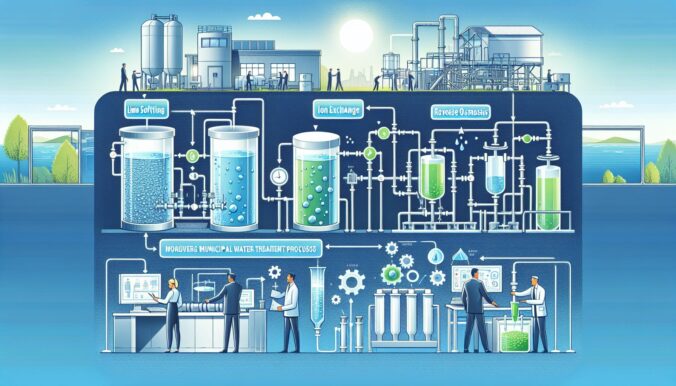
It’s not a one-size-fits-all situation when it comes to hardness removal in water. Factors like water composition, cost, and sustainability play a crucial role in deciding the appropriate method. Often, a combination of methods is used. In many municipal setups, chemical precipitation works hand-in-hand with ion-exchange or RO systems. This combo ensures that other water constituents like turbidity and microbes are thoroughly addressed.

The journey of removing hardness from water is indeed vast and multifaceted. There’s no magic bullet that will work in every situation. The range of techniques from chemical precipitation to nanofiltration illustrates the complexity of the problem. But as we advance in technology and deepen our understanding of water chemistry, the promise of providing soft, clean, and safe water to everyone takes a step closer to reality. After all, isn’t that the ultimate goal of municipal water treatment?
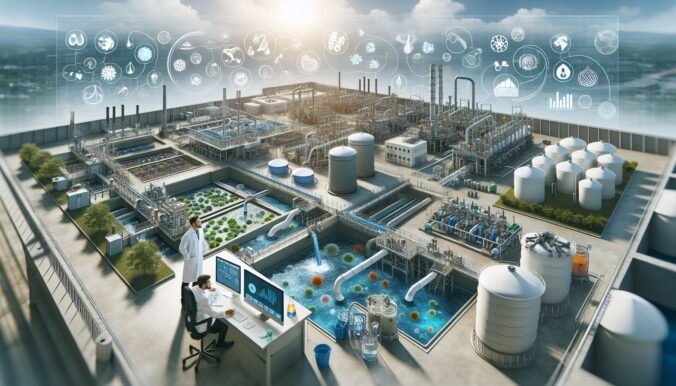
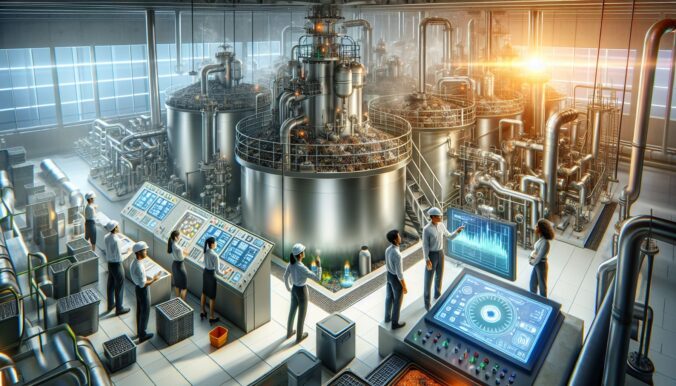
Water and wastewater treatment solutions and resources

The issue of water cleanliness and safety is one of the most significant concerns globally. The World Health Organization (WHO) reports that one in three people worldwide lacks access to safe drinking water^1^, a dire statistic that underlines the need for effective water and wastewater treatment solutions. This article dives into the technological, legal, and practical resources available for water treatment, how they’re improving public health, and what future advancements hold in store.

Overview of Water Treatment Solutions

Water treatment solutions range from simple home filtration systems to complex municipal water treatment plants. The goal is to render water — whether sourced from lakes, rivers, wells, or reservoirs — safe for human use and consumption.

Municipal water treatment plants often rely on a multi-stage process, encompassing coagulation, sedimentation, filtration, and disinfection^2^. While these large-scale installations are capable of treating vast quantities of water, they require substantial investments in infrastructure and maintenance. Not all regions, especially in emerging economies, have the resources necessary for these extensive systems.

Home filtration systems, which include activated carbon, reverse osmosis, and UV light technology^3^, offer a more decentralized and scalable solution – and yet, they come with their own challenges, including regular filter replacement and higher upfront costs.

The pressing question, therefore, is how can both large-scale infrastructures and individual households access effective water treatment resources? One possible answer could be found on a dedicated platform such as waterandwastewater.com.

Role of Wastewater Treatment in Protecting Public Health

The flip side of the water treatment coin is wastewater treatment. In simplest terms, this involves the conversion of used water into an effluent that can be safely released back into the environment or reused.

The key stages of wastewater treatment include pre-treatment, primary treatment, secondary treatment, and tertiary treatment^4^. These stages collectively remove solid waste, organic compounds, and dangerous pathogens from wastewater. Key technologies in this sector include mechanical and biological processes, disinfection methods, and advanced filtering.

But why is this so significant?

Imagine what might happen if untreated wastewater was discharged directly into rivers or oceans. Not only would this pollute those water bodies, but it could also lead to harmful algal blooms, depletion of oxygen levels, damage to marine life, and pose significant health risks to humans^5^.

Wastewater management is critical to break this pollution cycle, acting as a shield for public health and for our environment. However, achieving effective wastewater management requires access to technical knowledge and operational methodologies. Those in the field, or wishing to learn more, could visit the water treatment resources website, which offers a wealth of essential resources.

The field of water and wastewater treatment is not static. Like many industries, it’s continually evolving, driven by the need for increased efficiency, affordability, and sustainability. What are these trends, and how are they poised to shape the future of this crucial sector?

Innovation in the sector is pushing towards smaller, modular systems that can offer the same efficiency as conventional methodologies but require less space and infrastructure. Moreover, these systems are often more sustainable, as they tend to use less energy and generate less waste^6^.

Advanced technologies are also making a significant impact. Real-time monitoring systems powered by IoT devices are becoming increasingly prevalent, while new materials and breakthroughs like graphene filters offer promising possibilities for both water and wastewater treatment^7^.

Final Thoughts

Access to safe, clean, potable water is a fundamental human right. However, ensuring this right means grappling with a host of challenges: technical, financial, socio-political, and environmental. Dedicated resources such as waterandwastewater.com, along with cutting-edge technologies and committed professionals, are critical to this mission.

The field of water and wastewater treatment represents a delicate, yet vital balance between protecting public health and preserving our planet’s most precious resource — water. Let’s remember, the choices we make today will inform not just our present, but also our future sustainability.

Advanced biosolids processing and resource recovery

Wastewater treatment, once a monotonous process of disposal, has now entered the realm of innovation and sustainability. Modern biosolids processing and resource recovery techniques aren’t just about waste management any more, but involve transforming waste into usable products. This shift is a testament to the power of technological advancements and environmental stewardship.

Unmasking Biosolids

At its core, biosolids are organic materials derived from treatment plants primarily dealing with wastewater. The Water Environment Federation in 1993 introduced the term biosolids, distinguishing it from raw sewage. But how does the alchemy of turning waste into wealth occur?

The Journey from Waste to Gold

The biosolids journey begins where all wastewater roads lead, at the municipal wastewater treatment plant. Here, physical, chemical, and biological processes transform sewage into treated effluent and biosolids. Initially, biosolids are thick, dark, nutrient-rich solids that land in the end of the wastewater treatment process. They are laden with organic material, microorganisms, and can contain heavy metals and pathogens if not treated appropriately.

The key to transforming these thick slurries into a valuable resource lies in advanced biosolids processing techniques, each designed to extract maximum benefit and reduce potential hazards. But, let’s not get ahead of ourselves. To understand this fully, one needs to understand the integral parts of the biosolids treatment process.

Biosolids Processing: Mastery in Treatment

Processing biosolids generally involves four major steps: thickening, stabilization, dewatering, and final conditioning or treatment. Each step takes us closer to converting biosolids into a suitable substance for other uses.

Thickening reduces the water content in the biosolids, while stabilization neutralizes destructive pathogens. Dewatering further cuts down the water content, facilitating easier handling. The final step, either conditioning or treatment, prepares the biosolids for land application, incineration, or disposal.

That’s basic biosolids processing in a nutshell, but it’s in the realm of advanced techniques where things get really interesting. Here, we see the shift from merely managing waste to recovering a wealth of resources.

Moving from Disposal to Recovery

It’s nothing short of remarkable how biosolids, which were once regarded as a daily flow of waste, hold enormous potential for resource recovery. We’re talking about energy, nutrients, even water extraction, turning a problem into a promising resource solution. For instance, anaerobic digestion, a popular technique in advanced biosolids processing, deals with organic matter breaking down into methane gas. The resulting gas is a powerful energy source and can power the treatment plant or be sold externally.

In the heart of Alabama, the crack teams working on the Alabama water programs have delved into these principles deeply. Their goal is to transform biosolids into a reusable form, minimizing the environmental impact on local communities. From harnessing methane for electricity to utilizing the end products for agriculture, it’s safe to say the future of waste management is here.

The Promising Spectrum of Resource Recovery

While resource recovery from biosolids is rich in potential, three arenas promise the highest returns: energy, nutrient, and water recovery.

Energy Recovery

Methane, nitrogen, and phosphorus present major resource recovery opportunities. Methane, as mentioned earlier, emanates from the anaerobic digestion process and can be converted into heat or electricity. Thermal processes, such as combustion and gasification, can further yield energy from the residual biosolids.

Nutrient Recovery

Nutrient recovery, particularly that involving nitrogen and phosphorus, has also gained impetus due to the cost and environmental implications of artificial fertilizers. Biosolids, given their organic nature, can be a perfect stand-in, reducing the dependence on synthetic fertilizers and improving agricultural sustainability.

Water Recovery

Water recovery from biosolids seems like closing the loop, doesn’t it? This process involves converting the residual liquids into non-potable water, which can flexibly be used for irrigation or cleaning purposes.

The Future of Biosolids Processing and Resource Recovery

Recognising the worth in waste, we’re moving towards a future of proactive resource recovery from biosolids. Stricter regulatory standards, public demand for sustainability, and advances in technology are facilitating this shift. The question, then, isn’t ‘should we?’ but ‘how can we do it more efficiently and sustainably?’ and that’s a question worth dedicating our efforts towards.

The journey from waste to resource isn’t straightforward, but advanced biosolids processing techniques are lighting the way. As we uncover more about this miraculous transformation process, we not only support responsible waste management but also drive resilience against the depletion of planet’s resources.

Biosolids processing and resource recovery, it seems, is a chapter of the environmental tale that’s just begun to unfold, with several promising sequels in the pipeline. Let’s welcome this brave new world of waste, where apparent waste plays the starring role as a valuable resource. After all, in the world of biosolids, nothing is wasted.

Lime soda process for water softening

In an era replete with water scarcity, the relevance and significance of water softening processes, notably the lime soda process, cannot be overstated. Join me on a journey to understand this critical chemical phenomenon. Its specific details, practical applications, and inherent benefits contribute significantly to maintaining water quality globally.

Understanding the Basics of Water Softening

Before addressing the specifics of the lime soda process, let’s get grounded in the fundamentals of water softening. Ready? Let’s dive in.

Water softening, as the name implies, is a process that removes hardness from water. Hardness is usually the result of high concentrations of calcium (Ca) and magnesium (Mg) ions. These ions can cause an array of problems— from precipitates that clog pipes to the reduction of soap’s cleaners efficiency.

Now, fascinatingly, different types of water softening methods exist, such as ion exchange, distillation, and our star player, the lime soda process.

The Lime Soda Process: Breaking It Down

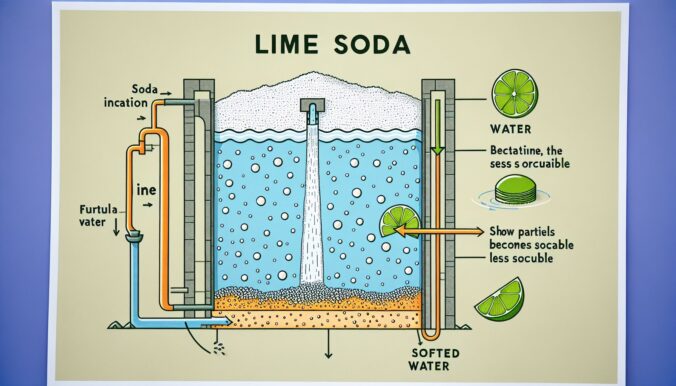
Lime soda is an age-old and still widely utilized method of water softening. The effectiveness of the lime soda process stems from its ability to precipitate calcium and magnesium ions from water, thus eliminating hardness.

Two primary chemical reactions underpin the lime soda method:

  1. Lime or Calcium Hydroxide Reaction: To address carbonate hardness (temporary hardness), lime or calcium hydroxide (Ca(OH)2) is added to the water. The reaction between calcium forms insoluble precipitates, essentially removing hardness.

  2. Soda Ash or Sodium Carbonate Reaction: For non-carbonate hardness (permanent hardness), soda ash or sodium carbonate (Na2CO3) is introduced. Similar to the lime reaction, this leads to the formation of precipitates and the subsequent removal of hardness.

Practical Applications of the Lime Soda Process

In exploring the practical applications of the lime soda process, it’s interesting to note that industrial and municipal water treatment plants lean towards employing lime soda softening methods. This stems from the process’s capacity to handle large volumes and high levels of hardness, while also being cost-effective.

For instance, the lime soda process is notably effective in mitigating the impacts of “water hardness” within large-scale boiler operations. Elevated levels of calcium and magnesium in boiler feedwater can lead to scaling— a substantive problem contributing to energy inefficiency and potential equipment damage. Through the lime soda process, these hardness-causing ions are eliminated, thus protecting multi-million dollar industrial boiler systems from scale accumulation.

These real-world applications of the lime soda method offer proof positive of its efficacy in industrial water treatment, reflecting both its practicality and relevance in our everyday lives.

Advantages of the Lime Soda Process for Water Softening

Indeed, the know-how of the lime soda process is essential, but why? What specific advantages does it offer? Why is this method preferred over other water softening alternatives?

Simply put, the lime soda process is both cost-effective and efficient. It uses readily available, relatively inexpensive chemicals— lime and soda ash— to treat significant volumes of water successfully. Furthermore, it’s capable of handling extremely hard water, a feat that not all methods can achieve.

Notably, the lime soda process also reduces the concentration of heavy metals and certain organic compounds in water. This often overlooked benefit amplifies the process’s importance in maintaining overall water quality.

Like any method, the lime soda process isn’t free from challenges. It produces large volumes of sludge due to the amount of precipitate formed during the process. This sludge must be carefully managed and disposed of, often requiring additional treatment for environmental compliance.

The process also requires significant control and constant monitoring to ensure that the correct amounts of lime and soda ash are added— too little and the water remains hard, too much and the excess chemicals can cause other water quality problems. This need for careful oversight adds to the complexity and cost of the process.

As the 21st century marches on, water quality remains a paramount concern worldwide. The unique requirements of water softening at the municipal and industrial level call for continuous innovation in lime soda softening methods.

Emerging trends lean towards minimizing sludge production and maximizing process efficiency, with advancements in chemical delivery systems and real-time monitoring technologies playing key roles.

By investing in these innovative solutions, industries, and municipalities alike can ensure the continued provision of high-quality water, even as global water scarcity intensifies.

Concluding Thoughts

The lime soda process, with its intriguing chemistry and practical applications, stands as a testament to mankind’s resourcefulness at solving complex environmental problems. Despite its challenges, the process’s overall efficiency and cost-effectiveness pave the way for its continued relevance in water softening.

As we explore the realms of water treatment further, the importance of improving and refining processes such as lime soda softening will only increase. For now, it remains a crucial tool in our ongoing quest for clean, softened water, contributing significantly to maintaining and improving global water quality.

Sludge treatment and disposal regulations compliance

Since the onset of industrialization, managing waste by-products has been a continuous challenge for many industries. One particularly arduous by-product to handle is sewage sludge—a semi-solid by-product generated from sewage treatment plants. Sludge treatment and disposal are crucial processes, not only for maintaining optimal operations in sewage treatment plants but also for minimizing environmental impacts. The management of this waste is governed by stringent regulations, and non-compliance can lead to significant financial penalties.

Understanding Sludge: Its Characterization and Significance

Sewage sludge, also referred to as biosolids, is composed of organic material, bacteria, and trace amounts of heavy metals. As a by-product of wastewater treatment, sludge can vary in characteristics depending on the specifics of the source and the wastewater treatment process. The US Environmental Protection Agency (EPA) broadly categorizes sludge into two classes, Class A and Class B, based on their pathogen and heavy metal content.

Amid the varied waste by-products, why does sludge management matter so much? For one, improper disposal of sludge can lead to environmental pollution, with ground and surface water sources being especially vulnerable. Plus, it further enhances the risk of spreading pathogens, thus disrupting the natural ecosystem.

The Essence of Sludge Treatment

Sludge treatment is a multi-stage process, involving thickening, digestion, dewatering, and drying. Each step is crucial in its own regard, and accurate monitoring and process control can significantly improve the quality of the treated sludge.

Indeed, managing this by-product is not a walk in the park. It requires expertise, technological resources, and a strong commitment to adhere to regulations. This commitment is pivotal not only for complying with legal requirements but also for making a positive contribution to the environment. After all, properly treated sludge can be beneficially reused, generally in agriculture, landscape cultivation, and land reclamation processes.

Complying with Regulations: A Determinant for Successful Sludge Management

In the United States, the EPA has formulated comprehensive regulations under section 405(d) of the Clean Water Act (CWA). These regulations emphasize pollutant limits, management practices, and operational standards for sludge treatment, disposal, and reuse.

Moreover, several states have also established their standards that coexist with federal regulations. For example, South Carolina’s Department of Health and Environmental Control maintains stringent guidelines and standards for water quality, including the management of sludge. These South Carolina water quality standards are instrumental in fostering responsible practices for sludge treatment and disposal within the state.

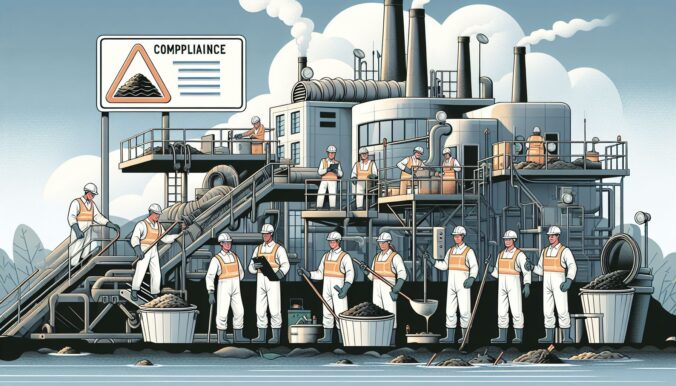
Thus, understanding and adhering to these regulations is an integral part of successful sludge management. Non-compliance can lead to hefty fines and legal reprimands, painting the organization in a bad light. Therefore, it’s not only about doing the right thing—it’s about upholding an organization’s reputation and ensuring sustainable long-term operations.

From Regulations to Application: Strategies for Compliance

So, how should organizations approach these laws? Well, the first step is always understanding the regulatory landscape. Whether it’s the EPA rules or specific regional guidelines such as those in South Carolina, awareness is the main key.

Once organizations understand the laws, integrating them within their operational practices is the next step. This process involves constant monitoring and performing periodic audits to evaluate the effectiveness of current procedures. It would also entail modifying or tweaking strategies when necessary, and investing in worker training to keep everyone updated on compliance guidelines and protocols.

Organizations may also consider establishing partnerships with environmental consultancies and obtaining membership in industry associations. These bodies can provide frequent updates on policy changes, imminent regulations, and the best industry practices that ultimately assist in maintaining compliance.

The Road Ahead: Future of Sludge Management

While current practices in sludge treatment and disposal have indeed come a long way, the journey towards improved and sustainable sludge management is far from over. Emerging technologies such as thermal hydrolysis and anaerobic digestion offer promising potential for improving sludge treatment efficiency, generating renewable energy, and reducing associated costs.

Moreover, increased interest in the circular economy prompts the sustainable reuse of treated sludge in agriculture and land reclamation. Properly treated and monitored biosolids can enhance soil fertility and productivity, thus adding value to what is commonly viewed as waste.

In conclusion, sludge treatment and disposal are complex yet crucial processes. Regulatory compliance in this domain is not merely about following the rules—it’s about adopting a proactive approach towards environmental stewardship and sustainability. As technology advances and regulations evolve, the industry is well-poised to transform the perception of waste, providing a beacon of light for an environmentally-conscious future.

Drying beds in wastewater treatment sludge management techniques

Unquestionably, sludge is one of the primary by-products of wastewater treatment, and managing this sludge effectively is a critical aspect of efficient wastewater processing. One of the most widely utilized methods of sludge management in wastewater treatment plants is the use of drying beds. So, what are sludge drying beds, how do they factor in wastewater treatment, and why are they so integral to effective sludge management?

Understanding Sludge Management

Before we delve into drying beds themselves, it’s crucially important to understand the broader context – sludge management. In essence, sludge is composed of a variety of unwanted residual particles suspended in water, including hapless organic matter, solids, chemicals, and even microorganisms. It’s estimated that the management of this sludge accounts for 25-50% of the total cost of wastewater treatment, underscoring its importance in the process.

Sludge management is a multifaceted coordination that involves four stages: thickening, stabilization, dewatering, and disposal or utilization. The aim is not only to treat the sludge safely and efficiently but also to do so cost-effectively. This is where the elegant simplicity of the sludge drying bed systems come into play.

The Role of Drying Beds in Sludge Management

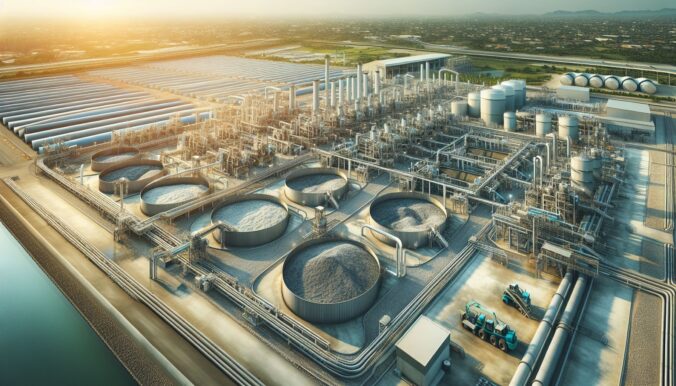
Simply put, a sludge drying bed consists of an open traditionally rectangular bed of sand or other suitable granular material, over a helpful network of underdrain pipes and collection sumps. The main role of these drying beds is in the dewatering stage of sludge management. The fact that one third of the total volume of sludge is often water gives a clear idea of the value of an effective dewatering strategy and the role of the drying beds within this.

Given their cost-effectiveness (particularly in sites with ample solar capacity) and simplicity, drying beds remain a preferred technological choice in developing economies. The US Environmental Protection Agency has even published a manual detailing the step-by-step process of designing simple sludge drying bed systems, militating further for their efficiency and straightforwardness.

But like any other system in practice, they are not without their drawbacks. Physical constraints such as space requirements and variable climatic conditions can affect their operation. However, even with such hurdles, the utility of these humble systems in the grand scheme of wastewater treatment – and ultimately, global water security – cannot be overemphasized. Now that we’ve got the gist, let’s get into the nitty-gritty of how these sludge drying bed systems work.

The Mechanics of Drying Beds

The principle of a drying bed is built around the natural processes of percolation, evaporation, and drainage, leveraging gravity as the main driving force. When sludge is loaded onto the surface of the bed, water seeps through the permeable medium and drawn off via the underdrainage system. This kicks off the dewatering process.

Initially, the majority of the water removal is due to percolation. However, as the thickness of the sludge layer increases, the rate of percolation reduces, and evaporation begins to play a dominant role. Unsurprisingly, the efficiency of evaporation is highly dependent on the local climatic conditions. Sunny, windy, and low humidity environs favor higher evaporation rates, whereas cloudy, calm, and humid conditions dial down the drying efficiency.

With the water drawn away, the volume of the sludge diminishes, and it progressively consolidates and hardens, leaving behind a semi-solid residue. This residue can then be easily handled and transported for final disposal or further utilization.

The basic mechanism of sludge drying beds we’ve discussed is a proven traditional system. However, like all sectors, staying put seldom equates to progress in wastewater treatment, and innovation is the name of the game. Future enhancements in drying beds are likely to emerge from the intersection of advanced material science, environmental engineering, and renewable energy technologies.

For instance, the use of alternative bed materials, such as geotextiles, is steadily picking up steam. Geotextile tubes not only drastically reduce the spatial requirements, but their modular and portable nature is also a boon, especially in densely populated urban centers.

On the front-lines of renewable energy, solar drying beds are gaining traction for their low energy input and high sustainability quotient. Combining solar energy-based drying techniques with traditional drying beds can remarkably augment the drying process and reduce the total drying time.

Parting Thoughts

Wrapping up, drying beds are a testament to the unwavering ingenosity of human engineering. They are steadfast and dependable workhorses in the world of wastewater treatment, demonstrating that sometimes, simplicity may indeed be the ultimate sophistication. They may not be the most glamorous component in sludge management, but surely, without them, the gears of wastewater treatment would grind to a cumbersome halt. So, next time when you flush your toilet or empty your dishwater into the sink, spare a moment to appreciate these unsung heroes.